
VCE Legal Studies Tips: How to Ace SACs and the Exam (2026 Guide)
VCE Legal Studies is one of Victoria’s most popular Year 12 subjects — and for good reason. It builds analytical...
READ MORE

University law tutors on Learnmate include admitted lawyers and writing specialists. Read each profile, confirm the subject area, and book for LLB or JD.








Two tutors on this bench have practised law professionally.
Legal reasoning and problem-question method are the common sticking points.
Writing specialists cover structure, citation and expression separately.
Profiles name the degree, the practice areas and the years.
VCE Legal Studies is served by its own page instead. (10 words)

Narrow to tutors working at degree level, then read what each one has actually practised. Law students rarely fail on content. They lose marks because a problem question gives unfamiliar facts and expects an answer built from authority, because the reading load makes it impossible to tell which parts of a judgment matter, and because nobody formally teaches the writing conventions the marker assumes. Somebody who has argued a real matter sees which of those is the problem quickly.
Assessment concentrates in a small number of high-weighted pieces, so a method that is not working in week four is still not working at the exam. Tutors publish their own rates and hours here, no booking commits you beyond itself, and billing comes after the session rather than before. Most first lessons are free. The University Tutors page carries every other subject at this level.









Learnmate is Australia’s leading online tutoring marketplace. Each tutor sets out their own background and names the areas they have worked in, which matters in law more than most subjects: family, criminal and corporate practice are different worlds, and a student wrestling with contract doctrine wants somebody who has lived in it. The network reaches every state, with some tutors working remotely and some willing to meet.
Selection is entirely yours. No intake interview, no retainer, nothing that continues once a session ends. Each tutor names the rate they charge, nothing is invoiced until the teaching has actually happened, and an opening lesson at no cost is the norm here.
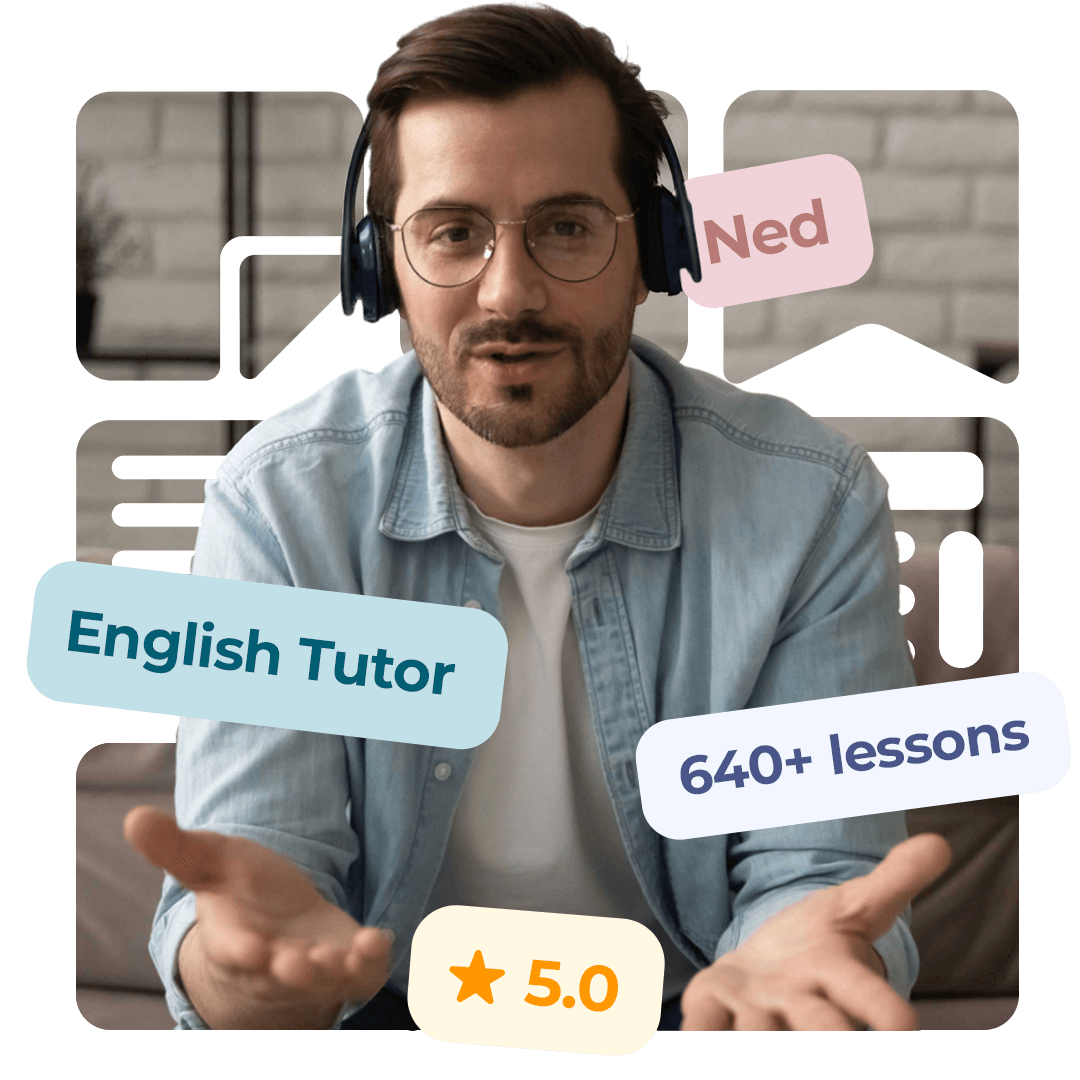
Law and international studies degrees sit on this bench, with practice across family, corporate, property, wills and estates and criminal matters, and eleven years in practice before a move into teaching.

Law students lose marks for two unrelated reasons: method and expression. This bench covers both, pairing legal practitioners with English specialists who have taught structured writing for decades.

Tutoring here covers coursework, method and exam preparation. It is not legal advice and no tutor acts on a student’s own matter. Book a single session and see whether the fit works.


Law on Learnmate draws on practice as well as study. The bench carries law and international studies degrees, practice across family, corporate, property, wills and estates and criminal matters, and more than a decade in practice paired with years of teaching at an ATAR of 99.05.
Beside them sit writing specialists, because law is assessed in prose and most marks lost are lost there: Spalding and TESOL certified English teaching with thirty years across structured writing and comprehension, and arts graduates teaching since the late 1990s who now study at the University of Melbourne and Deakin. Other degree subjects are listed on University Tutors and and for help with writing itself, try English Tutors.


Really happy with our Tutor Cathy, she is very attentive to my daughter's needs and provides me with regular updates regarding my child's progress. She is a lovely caring beautiful lady and I would highly recommend, I'm so glad we found Cathy :) My daughter looks forward to her tutoring lesson each week

We found a great tutor for our daughter's HSC exams. The tutoring was very structured, outcome-focused and encouraging taking my daughter through all the curriculum requirements. The platform is super easy to use, straight forward, no need to buy a certain amount of lessons in advance and ability to reschedule lessons if need be, without penalty. Every lesson comes with a lesson digest for the parents.
I heard about Learnmate from school counsellor, and it's been fantastic. We found the right tutor for our daughter, and it goes really well. Learnmate makes everything easier. Thank you, highly recommend Learnmate to everyone.
Can highly recommend this platform. Our tutor knew the content very well and our daughter now she feels confident for exams. Simon was always happy to help with any queries we had and guided us through the process.
Our son had the first introductory lesson with Gauravi for Chemistry and UCAT preparation. and we found her to be precise and supportive. Our son felt confident about the chapter she took him through and clearly saw the benefit of continuing learning with her. We look forward to her sharing tips and tricks that helped her achieve her great results!
We are thrilled at the transformation in our son's performance and attitude towards maths since starting. In a very short space of time, maths has become his best subject and his confidence level is high. He actually enjoys his tutoring sessions. Dane has quickly transformed him. We are thrilled and I could not recommend Dane more highly.
What the degree asks of you, where the marks go, and who teaches it
First year usually opens with legal method, torts, contracts and criminal law, with constitutional and property following. The content differs from school legal studies less than the method does: every subject asks you to extract a principle from decided cases, test it against a statute, and apply both to facts nobody has ruled on. Subject names differ between universities; that structure rarely does.
In the application, not the knowledge. A problem question rewards identifying the real issue, selecting authority that genuinely governs it, and reasoning to a conclusion you are willing to commit to. Students who write everything they know score poorly, because breadth without selection reads as an inability to tell what matters.
The reading load in first year is designed to be impossible to complete literally, which is itself the lesson. Knowing which paragraphs of a judgment carry the ratio, how far into a reading list to go, and when a textbook is a legitimate shortcut is a skill. Citation under the Australian Guide to Legal Citation is mechanical, frequently examined, and an easy source of lost marks.
Law is taught against a largely national body of case law, so a tutor who studied or practised interstate is working with the same authorities you are, with state legislation the main exception. That makes distance less of an obstacle than it looks. Some tutors here do prefer to meet, and the in person filter with suburb selection will show who covers your area. Each profile sets out what that tutor offers and where.


Browse profiles, see who has practised in your area, and book your first lesson.
VCE Legal Studies is one of Victoria’s most popular Year 12 subjects — and for good reason. It builds analytical...
READ MORE
To introduce myself, I'm Jing a VCE Legal Studies, VCE English and VCE Economics tutor on Learnmate. I graduated with...
READ MORE
After another year of AI being mainstream in Australian education, what do those on the ground really think? We asked...
READ MORE